How Long Working Hours Affect Nutrient Absorption & Gut Health
Share

Table of Contents
- Real-World Story: The Tired Office Worker
- How Long Working Hours Impact Nutrient Absorption & Gut Health
- How Does Stress and Irregularity Harm Digestion?
- What People Ask: Quora Q&A on Work Hours & Health
- Gut Health Google Trends Questions Answered
- Ingredients Deep Dive: Sea Buckthorn Juice for Digestive Strength
- Staying Healthy: Tips for Busy Workweeks
- Frequently Asked Questions
Real-World Story: The Tired Office Worker
Imagine a young professional named Sam. Sam works over 60 hours a week, skipping meals, snacking at his desk, and staying glued to a screen. By Friday, he feels: sluggish, bloated, short-tempered, and even his skin looks dull. All Sam wanted was career growth, but his health started slipping. His story is not unique. Countless people experience similar issues with their gut health after long workdays—trouble digesting food, low energy, brain fog, and constant food cravings. Research supports that long working hours really do disrupt nutrient absorption and gut health[1]. Protecting your gut is essential for feeling your best.
How Long Working Hours Impact Nutrient Absorption & Gut Health
Long workdays mean less time for proper meals and self-care. Here’s what actually happens inside your body:
- More stress: Your body releases cortisol, which slows digestion and steals nutrients from your meals.
- Poor meal timing: Eating late or skipping meals throws off your body clock and makes it harder to absorb vitamins and minerals.
- Mindless eating and junk food: When you’re busy, you grab quick, processed snacks—these are often high in sugar, sodium, and unhealthy fats, but give little nutrition. See our tips on Hidden Nutrient Gaps.
- Less time to chew and digest: Quick meals hurt your ability to break down and absorb nutrients.
- Gut imbalance: Irregular eating disrupts your gut microbiome, weakening your whole digestive system.
Over time, this adds up to low energy, feeling bloated, and getting sick more often.
How Does Stress and Irregularity Harm Digestion?
- Hormonal changes: Stress triggers cortisol and adrenaline. These slow down stomach activity and can cause acid reflux, indigestion, and poor gut motility.
- Weakened gut barrier: Under constant stress, the protective gut wall gets weaker. This lets toxins slip in, causing inflammation and more digestive problems[2].
- Poor vitamin & mineral absorption: Key nutrients (like magnesium, B vitamins, and zinc) need calm digestion to be absorbed well[3].
- Unbalanced microbiome: Bad bacteria grow when you’re stressed and tired, crowding out the good bacteria. This leads to constipation, bloating, and even skin breakouts. For info on "what is gut health?", check out our Sea Buckthorn & Gut Support guide.
What People Ask: Quora Q&A on Work Hours & Health
-
Is working long hours bad for your health?
- Most users agree: too many hours is excessive, stressing both mind and body. Read more: Is working long hours bad for health? -
Do 60 hour work weeks have a negative effect?
- Yes, science shows long workweeks harm sleep, lower focus, and imbalance hormones. See: 60 hour work week health effects -
How to stay healthy when working long shifts?
- Plan healthy snacks, take restful breaks, keep hydrated. Try to fit short walks and mindful meals when possible. Read: Healthy during long shifts -
Does working irregular hours affect health?
- Yes, it disrupts your sleep and body rhythms. You may feel fatigued, stressed, and notice gut issues. Explore: Effect of irregular work on health -
Does rotating shift work cause long-term health effects?
- Definitely. Digestion and sleep are thrown off, so you feel less energetic, and your digestive system gets weaker. Learn more: Rotating shift work & health
Gut Health Google Trends Questions Answered
- What are the worst drinks for gut health? - Sugary sodas, energy drinks, and too much coffee disrupt the microbiome and hurt the gut lining. Hydrate with water, herbal teas, or try Sea Buckthorn hydration tips.
- What is gut health? - It means having a balanced digestive system, good bacteria, and the ability to absorb nutrients well. Want more detail? Visit Types of Digestive Disorders.
- How do I fix my gut health? - Eat fiber-rich foods, use high-quality probiotic supplements (like those with science-backed strains), manage stress, and get good sleep.
- Best probiotics for gut health? - Look for multi-strain, well-researched options. Don’t forget about food sources like yogurt, fermented veggies, and quality supplements. Check more in our guide on probiotics for gut health.
- Supplements for gut health? - Along with probiotic supplements, try plant-based options rich in omega-3, omega-7, and antioxidants.
Ingredients Deep Dive: Sea Buckthorn Juice for Digestive Strength
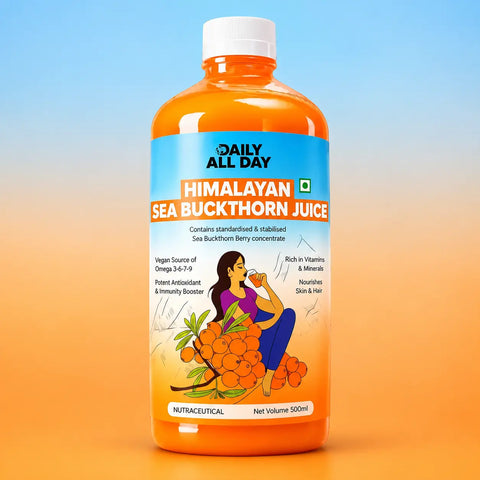
If you want real gut support and glowing skin, Sea Buckthorn Juice is a natural all-in-one solution. Let's see why:
-
Core nutrients:
- Omega 3, 6, 9 & 7 – Help repair gut lining, reduce inflammation, and support metabolism.
- Vitamin C & E – Powerful antioxidants that protect the gut wall and boost immunity.
- Flavonoids & Carotenoids – Support skin, eyesight, and lower oxidative stress.
-
Holistic benefits:
- Restores hydration—good for skin, eyes, and internal cells.
- Boosts collagen, so your skin looks fresh and youthful.
- Reduces acne and supports clearer skin thanks to antioxidants and healthy fats.
- Supports gut lining—especially if you have IBS or discomfort after meals.
- Allergy-friendly and 100% plant-based—no artificial flavors or additives.
- Lab-tested, vegan capsules (no animal gelatin!)
-
Easy to use:
- Mix 3 spoons of Sea Buckthorn juice in water, twice daily (not on an empty stomach).
- Consistent use for 6-8 weeks shows the best effect.
Want digestion, energy, and skin that shines? Try Daily All Day Sea Buckthorn Juice for a true superfruit solution.
Staying Healthy: Tips for Busy Workweeks
- Eat regular, whole-food meals—avoid processed snacks!
- Add more fiber (oats, fruits, seeds)—supports your gut bacteria.
- Stay hydrated—pure water works best, avoid too many sodas or sweet drinks.
- Take probiotic supplements or eat fermented foods (like yogurt or sauerkraut). For more, read probiotics guide.
- Manage stress—try deep breathing, stretching, or quick outdoor walks.
- Protect your sleep—rest fuels digestion and absorption!
- Read more about micronutrient imbalances from meal skipping at Meal Skipping & Nutrition.
Frequently Asked Questions
-
What is Sea Buckthorn Juice?
- Sea Buckthorn is a nutrient-rich orange berry, full of omega-3, 6, 9, rare omega-7, plus antioxidants and vitamins. The juice uses raw pulp for maximum nutrition. -
How does Sea Buckthorn Juice help gut health?
- The fatty acids soothe inflammation, help restore the gut lining, and the rich antioxidants protect your cells. -
Is Sea Buckthorn Juice good for skin?
- Yes! Its Vitamin C, E, and healthy oils boost collagen and skin hydration, giving you a natural glow. -
Can I use probiotics for gut health if I work long hours?
- Absolutely. Probiotic foods or a supplement probiotic (especially plant-based) help restore good bacteria and improve digestion when your schedule is hectic. -
How can I stay healthy with a busy job?
- Meal prep, choose gut-friendly foods, stay hydrated, manage stress, and consider science-backed supplements like Daily All Day’s Sea Buckthorn Juice for full-body support.
Working long hours can quietly ruin our digestive system, lower nutrient absorption, and hurt gut health. Stress, lack of breaks, and poor meal timing all combine to flood your body with hormones like cortisol, which disrupt healthy digestion. This leads to bloating, low energy, and even skin problems. Ingredients like Sea Buckthorn—packed with omega-7, antioxidants, and vitamins—are nature’s fix, supporting gut lining, skin, and immunity naturally. The Daily All Day Sea Buckthorn Juice shines here, with pure pulp and no artificial nasties. If you want the best results, pair the right supplements (especially probiotics for gut health and antioxidant-rich foods) with a balanced routine, regular meals, and self-care. Protect your gut, and it will protect you—through even the busiest workweeks.