How Microplastics in U.S. Food & Water Impact Hormones & Immunity
Share

Table of Contents
- What Are Microplastics?
- How Do Microplastics Enter U.S. Food and Water?
- Health Concerns: Hormones & Immunity
- Ingredients Deep Dive: Nutritional Support
- Relevant Ouora QnA Highlights
- Google Trends: Top Queries on Microplastics
- Frequently Asked Questions
What Are Microplastics?
Microplastics are tiny plastic pieces, usually less than five millimeters in size. You cannot see them without a microscope. They are found everywhere – in rivers, oceans, soil, air, and even the food and water we put on our tables.
In the U.S., microplastics often come from the breakdown of larger plastics, synthetic clothes, plastic bottles, food packaging, and industrial waste. Because they are small, they slip past water treatment filters and end up in tap and bottled water, salt, seafood, and more.
How Do Microplastics Enter U.S. Food and Water?
- Seafood: Fish and shellfish might eat microplastics in the ocean. When we eat seafood, we can also eat those microplastics.
- Bottled Water: Up to 80% of bottled water brands have been found to contain microplastics. People who drink lots of bottled water might swallow up to 90,000 microplastic particles yearly (Source).
- Tap Water and Salt: Even tap water and table salt may have tiny plastic particles.
- Air: We can also inhale airborne microplastics floating in dust.
It is estimated that Americans ingest and inhale over 70,000 to 121,000 microplastic particles yearly!
Health Concerns: Hormones & Immunity
How Do Microplastics Harm Health?
Microplastics are concerning because they do not just sit inside our bodies – they interact with our cells, hormones, and immune systems.[1] Here are the key issues:
1. Hormonal Imbalance (Endocrine Disruption)
- Many plastics contain endocrine-disrupting chemicals (EDCs), such as phthalates and bisphenol A (BPA), which can act like hormones or block real hormones in the body.[3]
- Possible problems include:
- Fertility issues and abnormal reproductive development (evidence in animal models).
- Obesity or diabetes due to disrupted metabolic hormones.
- Thyroid hormone disruption, leading to tiredness and slow growth.[1]
- Even breast milk can carry microplastics and EDCs, impacting babies.[4]
2. Weakened Immunity & Inflammation
- Microplastics can
Symptoms or risks linked to microplastic exposure include allergies, digestive issues, autoimmune conditions, and general tiredness.
You can read more about food allergies, digestive issues, and antioxidants for chronic inflammation in our previous posts.
Ingredients Deep Dive: Nutritional Support
While avoiding all microplastics is nearly impossible, nutrition can help support your hormones and immune system against these threats. Here’s how the core ingredients in our best-selling wellness products work to support your health:
Daily All Day Total Wellness Omega 3 6 9 (60 Capsules)
- Flax Seeds (Alpha Linolenic Acid/ALA): Vital for brain and heart health. ALA is shown to reduce brain inflammation, support neurons, and keep cholesterol in balance.
- Linolenic Acid: Relieves inflammation, great for joint health especially if microplastics trigger pain.
- Oleic Acid: Strengthens muscles & eye health. Helps with cell regeneration and counters oxidative stress.
-
Benefits:
- Supports brain health, cognition & memory.
- Reduces joint and body inflammation (soothing after microplastic-related stress).
- Boosts heart and eye health, strengthens muscles.
- Helps with ligament flexibility and joint lubrication.
- Promotes clear, hydrated skin & helps against acne from environmental stressors.
- Plant-based (vegan) and certified toxin-free.
- Dosage: 2 capsules daily after meals for effective results. Consistency for 6-8 weeks is ideal.
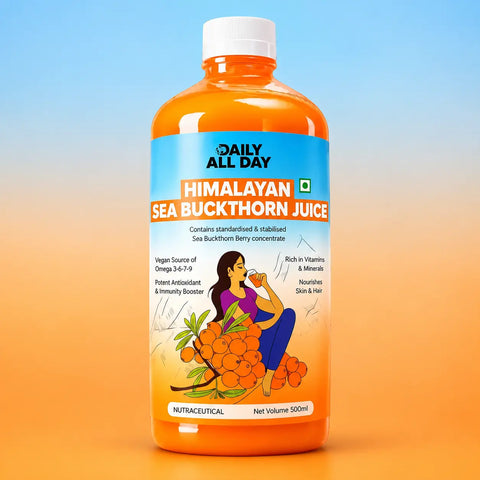
Daily All Day Sea Buckthorn Juice (500ml)
- Sea Buckthorn (Raw Pulp): Rich in Omega 3 6 9, rare Omega 7, vitamins C & E, flavonoids, and carotenoids.
-
Benefits:
- Boosts immunity and antioxidant defenses – vital for immune resilience against toxins.
- Supports healthy, glowing skin, reduces breakouts (common after toxin exposure).
- Maintains heart health, healthy cholesterol balance.
- Helps the gut lining — less discomfort from inflammatory triggers.
- Hydrates skin and tissue barriers — helpful for people with allergies or dryness.
- 100% natural, no added sugar or colors, pure raw pulp.
- How to Take: 3 spoons with a glass of water, twice a day (not on an empty stomach).
Discover more about Sea Buckthorn Juice
Relevant Ouora QnA Highlights
-
Are microplastics in food and water dangerous?
- Yes, studies show high levels in bottled water and links to cancer and fertility problems.
-
How do microplastics impact human health and the environment?
- They’re everywhere – in the food we eat and the air we breathe. They can build up and lead to health problems through food consumption.
-
How are microplastics affecting our health?
- Microplastics accumulate in the body, contribute to inflammation, hormone disruption, and risk to organs.
-
Health risks of microplastics in food and water?
- Risk of allergies, immune disruption, reproductive issues, and more. Ongoing research.
-
Microplastics and overall health?
- Plastic is now in most of us. Lab research shows it damages cell function. Better recycling and reclaiming of plastics is needed.
Google Trends: Top Queries on Microplastics
- Tamarind microplastics: Some trends claim tamarind can help remove microplastics from the body, though research in humans is still limited.
- Chewing gum and microplastics: Many gums contain microplastics. If you’re looking for safer options, search for gum without microplastics or check labels for “plastic-free”.
- Tea bags and microplastics: Some tea bags release microplastics when steeped. Look for plastic-free or loose leaf options.
- Microplastics in glass bottles: Glass bottles may have fewer microplastics than plastic bottles, but some findings suggest even they can have traces.
- Microplastics in brain, immunity, dementia: New studies are investigating if microplastics can get into the brain or impact brain health and risk for diseases like dementia. Animal studies suggest possible effects, but more research is needed in humans.
Frequently Asked Questions
-
What are microplastics?
Microplastics are very small pieces of plastic, less than 5mm wide. They are found in water, food, and even the air we breathe. They can come from broken-down larger plastics or be added to products like scrubs. -
How do microplastics impact my hormones?
Some microplastics contain chemicals that can act like hormones or interfere with hormone signals in the body. This can cause issues with fertility, metabolism, weight, and growth.[1] -
Can microplastics cause immune problems?
Yes. Research shows they trigger the immune system, leading to long-term inflammation, cell stress, and even immune cell damage.[6] -
What can I do to protect myself?
- Use glass or stainless steel bottles rather than plastic ones.
- Choose foods with minimal packaging.
- Boost your antioxidant and omega intake with supplements and foods that support natural detoxification. -
Which Daily All Day products best support immunity and hormones affected by microplastics?
Our Total Wellness Omega 3 6 9 capsules and Sea Buckthorn Juice are designed to provide antioxidant and anti-inflammatory support, targeting key organs and cells.
Read next about sea buckthorn and immunity and omega-3 for brain and heart health on our blog.
Microplastics, tiny plastic particles contaminating U.S. food and water, are more than just a nuisance – they are a growing threat to health. Research shows that these particles can disrupt hormone balance (leading to issues like fertility problems, obesity, and metabolic disorders) and weaken immune defenses, making the body more vulnerable to disease and inflammation.[1][2] The impact is especially concerning for sensitive populations, including children and pregnant women. Being aware of this problem and seeking natural, holistic support from antioxidant-rich, anti-inflammatory foods and supplements — like Daily All Day's Total Wellness Omega 3 6 9 capsules and Sea Buckthorn Juice — may help counteract some of the negative effects. These products support joint, brain, immune, and metabolic health with proven plant-based ingredients. As research progresses, staying informed and choosing clean nutrition options will remain key in defending your hormonal and immune health from the dangers of microplastics.