Why Vitamin D Deficiency Exists Even in Sunny Florida

Picture this: You live in Florida, the Sunshine State. You're surrounded by palm trees, beautiful beaches, and near-constant sunshine. You’d think that getting enough Vitamin D would be the last thing you'd have to worry about, right? Yet, you often feel tired, your muscles ache for no reason, and your mood isn't as sunny as the weather. It might sound strange, but you could be experiencing vitamin d deficiency, a surprisingly common issue even in the sunniest places on Earth.
This isn't just a random guess. Studies have shown a high prevalence of low Vitamin D levels among people living in South Florida. It’s a paradox that leaves many scratching their heads. If the sun is the best source of Vitamin D, why are people in the Sunshine State falling short? Let's dive into this mystery and uncover the truth.
The Great Sunshine Paradox: Plentiful Sun, Empty Tanks
You’d assume that living in Florida is a golden ticket to perfect Vitamin D levels. After all, Vitamin D is famously called the "Sunshine Vitamin" because our bodies produce it when our skin is exposed to sunlight [1]. However, science tells a different story. Research conducted right in South Florida found that at the end of winter, a staggering 40% of women and 38% of men had insufficient levels of Vitamin D. Even with the year-round sun, a significant portion of the population is dealing with a shortage of vitamin d.
This shows us that geography isn't everything. Just because the sun is out doesn't mean our bodies are making enough of this crucial nutrient. So, what’s really going on?
The Modern-Day Culprits: Why Aren't We Soaking Up the Sun?
The reasons for this widespread vd deficiency are rooted in our modern lifestyle. It's not just one thing, but a combination of factors that are working against us, even in a sunny paradise.
- We Live Indoors: Think about your typical day. You wake up in your house, drive to work or school in a car, spend eight hours in an office or classroom, and then come home to relax indoors. Even in Florida, many people spend the majority of their time shielded from the sun. This indoor lifestyle is a primary driver of causes of vit d deficiency [2].
- Sunscreen is a Must, But...: We all know how important sunscreen is for preventing skin cancer. It's non-negotiable. However, sunscreen works by blocking UVB rays—the very same rays your body needs to produce Vitamin D. A sunscreen with an SPF of 30 can reduce Vitamin D synthesis in the skin by more than 95%. So while you're protecting your skin, you're also unintentionally blocking your body's ability to make this vital nutrient.
- Time and Season Matter: The sun's rays are most effective for Vitamin D production during the middle of the day, from about 10 a.m. to 3 p.m. This is also when the sun is at its hottest, and when many people choose to stay indoors. Additionally, during the winter months, even in Florida, the sun is lower in the sky, and its UVB rays are less intense, making it harder for your body to produce Vitamin D.
- Skin Pigmentation: Melanin, the pigment that determines your skin color, is a natural sunblock. People with darker skin tones have more melanin, which means they need more sun exposure to produce the same amount of Vitamin D as someone with lighter skin. This can put individuals with darker skin at a higher risk for deficiency.
- Age Plays a Role: As we get older, our skin becomes less efficient at producing Vitamin D from sunlight. On top of that, older adults may spend more time indoors and have dietary restrictions, further increasing their risk.
- Dietary Gaps: Let's be honest, not many foods are naturally rich in Vitamin D. Fatty fish like salmon and mackerel, and fortified foods like milk and cereal are the main sources. Many people don't get enough of these in their diet. While some focus on omega-3 or iron-rich foods, Vitamin D is often overlooked.
Insights from Around the Web: Quora User Q&A
People are talking about this issue online, and their experiences shed more light on the problem. Here are some common questions and answers you might find on platforms like Quora.
Why do so many people have vitamin D deficiency even though sunlight is so abundant? [3]
- Indoor Lifestyle: The top reason cited is that our lives have moved indoors. From offices and schools to homes, we are simply not getting the direct sun exposure our ancestors did.
- Sun Protection: People are more aware of the dangers of sun exposure than ever before. Widespread use of sunscreen and protective clothing reduces our ability to make Vitamin D.
Why are so many young people facing Vitamin D deficiency? [4]
- Young people, just like adults, are spending more time inside with screens for entertainment and education. This shift away from outdoor play is a major contributor.
If I have a deficiency, can I just stay in the sun for 2 hours to fix it? [5]
- Your body is smart! It has a feedback loop that stops producing Vitamin D when it has enough, to prevent toxicity. So, baking in the sun for hours won't necessarily fix a deficiency faster and can significantly increase your risk of skin damage. Your body makes Vitamin D in response to the sun; you don't absorb it.
Are You Running Low? Signs of Vitamin D Deficiency
A vit deficiency disease like rickets (in children) or osteomalacia (in adults) is the extreme result of low Vitamin D. But long before that, your body sends out subtle signals. Many low vitamin d symptoms are easy to dismiss, but they can significantly impact your quality of life.
- Feeling Tired All the Time: Persistent fatigue is one of the most common complaints.
- Aches and Pains: Unexplained bone and back pain can be a sign.
- Muscle Weakness: You might feel a general sense of weakness or muscle pain.
- Getting Sick Often: Vitamin D plays a huge role in immune function, so low levels can make you more susceptible to infections.
- Mood Changes: There's a link between low Vitamin D and mood disorders like depression.
- Hair Loss: Severe hair loss is sometimes attributed to a vit d deficiency.
It's important to know what the normal range for vitamin d3 is. Doctors measure this with a blood test for 25-hydroxyvitamin D. Generally, a level of 30 ng/mL or higher is considered adequate for most people.
Ingredients Deep Dive: Beyond the Sun's Rays
If sunshine and food aren't enough, how do we ensure our bodies get the nutrients they need for optimal health? The answer lies in a comprehensive approach that nourishes your body from the inside out. This isn't just about single-ingredient solutions but about a symphony of vitamins, minerals, and herbs working together.
A proper vitamin d deficiency treatment plan often involves supplementation. But why stop at just Vitamin D? Your body is a complex system. For instance, magnesium is required to convert Vitamin D into its active form. Many people are also low in B vitamins, like B12, which is crucial for energy. In fact, a b12 d vitamin deficiency can cause overlapping symptoms like fatigue. This is why a high-quality multivitamin can be a game-changer.
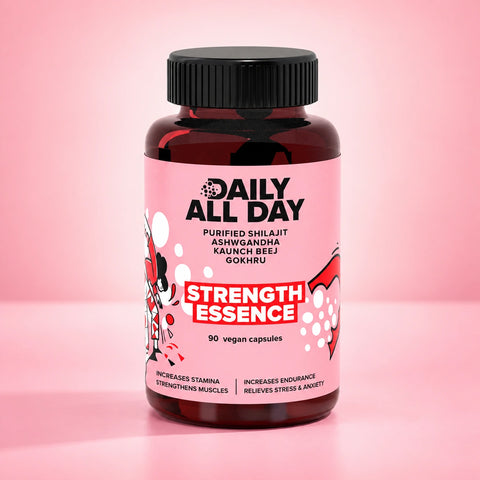
Think about herbs like Ashwagandha and Moringa. Ashwagandha is an adaptogen that helps your body manage stress, which can deplete vital nutrients. Moringa is a nutritional powerhouse packed with antioxidants. Combining these with essential vitamins and minerals creates a holistic formula that supports not just bone health, but your entire well-being.
Your Daily Sunshine in a Bottle: Daily All Day Vita Blend
Navigating the complexities of nutrition can be overwhelming. That’s why we created the Daily All Day Vita Blend. It’s more than just a multivitamin; it’s a complete daily wellness formula designed to fill the gaps that modern life creates.
Launched in 2023, Daily All Day is committed to providing clean, effective, and holistic health solutions. Our Vita Blend is the perfect example of this philosophy.
What's Inside?
- 23 Vitamins and Minerals: We've included a comprehensive profile of essential nutrients, including 600 IU of Vitamin D3 per serving, plus Vitamin A, B-Complex, K2, Magnesium, Zinc, and more to support your body's daily needs.
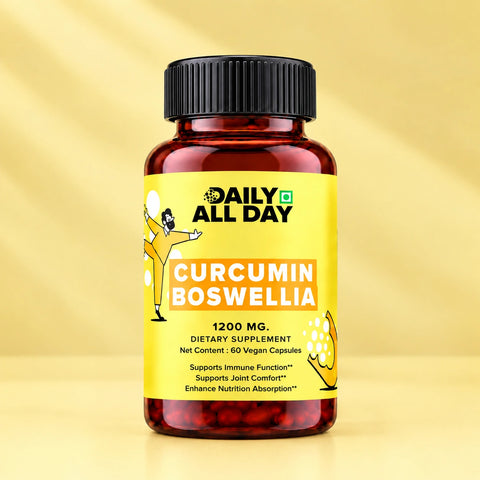
- 23 Ayurvedic Herbs: Our unique selling point is the synergistic blend of powerful herbs. With rare Panax Ginseng for energy, Ashwagandha for stress relief, Curcumin for inflammation, and Moringa for nourishment, this formula supports you in ways a simple multivitamin can't. Many of these herbs, like those found in Triphala, have been used for centuries to promote gut health and overall balance. [6]
Benefits of Vita Blend:
- Boosts Immunity: Strengthens your body's natural defenses.
- Increases Energy Levels: Provides sustained, crash-free energy.
- Enhances Strength: Supports muscle health and physical performance.
- Improves Gut Health: Promotes better digestion and nutrient absorption. An unhealthy gut can even impact the effectiveness of supplements [7].
- Supports Overall Health: Helps with everything from a weak body to acne problems by providing a full spectrum of nutrients.
How to Use:
Just take 2 tablets daily after meals. With 120 tablets per bottle, you get a full 60-day supply. For best results, consistency is key. Combine it with a healthy lifestyle for at least 6-8 weeks to feel the full benefits.
Frequently Asked Questions
- 1. How much sun do I really need for Vitamin D?
- It varies based on your skin type, location, and the time of year. Generally, 10-30 minutes of midday sun exposure to the arms and legs a few times a week can be enough for many people. However, this comes with skin cancer risks, making supplementation a safer bet.
- 2. Can I get enough Vitamin D from food alone?
- It's very difficult. You would have to eat large amounts of fatty fish, fortified milk, and eggs every day. For most people, diet alone is not sufficient to maintain a normal vit d level, especially if they have a deficiency.
- 3. Is vitamin d deficiency common in young people?
- Yes, it is surprisingly common. As we discussed, indoor lifestyles dominated by school, work, and screen time mean that even children and young adults living in sunny climates are at risk.
- 4. What's the difference between Vitamin D2 and D3?
- Vitamin D2 comes from plant sources, while D3 is the type your body makes from sunlight and is found in animal products. Studies show that D3 is more effective at raising and maintaining Vitamin D levels in the blood, which is why it's the preferred form for supplements.
- 5. Is it possible to take too much Vitamin D?
- While it's rare, Vitamin D toxicity is possible from very high doses of supplements over a long period. It's important to stick to the recommended dosage, like the safe and effective amount in Daily All Day Vita Blend, which is well within FSSAI-approved limits.

Bridging the Gap Between Sunshine and Health
It's clear that living in sunny Florida doesn't automatically grant you a pass from Vitamin D deficiency. Our modern, indoor lives, combined with necessary sun protection, create a paradox where the sun is plentiful, but our bodies are starved of its most famous nutrient. The symptoms, from fatigue to bone pain, are your body's call for help. While getting safe sun exposure and eating a balanced diet are crucial first steps, they often aren't enough to correct a significant shortage of vitamin D.
This is where smart supplementation comes in. You need a solution that not only provides Vitamin D but also supports your entire body's ecosystem. Daily All Day's Vita Blend is crafted for this very purpose. It delivers a healthy dose of Vitamin D3 alongside a powerhouse of 23 other essential vitamins and minerals, and 23 potent Ayurvedic herbs. This holistic formula doesn't just address one deficiency; it works to boost your immunity, increase energy, enhance strength, and improve overall wellness. Ingredients like Ashwagandha help manage stress, while Curcumin supports a healthy inflammatory response, creating a foundation of health that goes beyond a single nutrient. Don't let the sunshine paradox keep you from feeling your best. Embrace a complete wellness solution and fill the nutritional gaps that even a Florida lifestyle can leave behind.