How Frozen & Restaurant Foods Impact Sodium-Potassium Balance for Americans
Share

Table of Contents
- A Day in the Life: The American Plate
- Why Sodium-Potassium Balance Matters
- How Frozen Foods Tip the Balance
- The Hidden Sodium in Restaurant Meals
- Potassium – The Unsung Hero
- Quora Q&A: Sodium in Everyday Foods
- Smart Choices: How to Restore Harmony
- Ingredients Deep Dive
- Frequently Asked Questions
A Day in the Life: The American Plate
Imagine you grab a quick frozen meal for lunch, go for some fast-food fries with friends later, and order a pizza for dinner. It might seem normal, but every item you eat likely packs more sodium than your body needs in a whole day. Many Americans eat almost 3,400 mg of sodium daily—way above the safe limit of 2,300 mg. Most of this comes from frozen dinners and restaurant food, not the salt you sprinkle at home. Why does this matter? Too much sodium and not enough potassium can raise your blood pressure and strain your heart, even if you feel fine now.
(Related: Processed foods & weight management)
Why Sodium-Potassium Balance Matters
The best way to keep your blood pressure in check is to have the right balance of sodium (found in salt, or sodium chloride) and potassium (found in fruits and vegetables) in your diet. Here’s why this balance is crucial:
- Sodium makes your body hold on to more water, raising your blood pressure.
- Potassium helps flush out extra sodium and relaxes blood vessel walls.
- Too much sodium and too little potassium increases your risk for heart problems, kidney disease, and even stroke.[1][2]
How Frozen Foods Tip the Balance
Frozen meals are super easy and last a long time. But what’s inside?
- Many frozen dinners have over 700 mg sodium per serving. Some, like Marie Callender’s Pot Pie, can contain over 1,100 mg in a single meal.
- Why so much sodium? It’s used as a preservative, for taste, and to extend shelf life.
- Frozen foods are often low in potassium, lacking fruits, veggies, and whole grains.
- Studies show that regular consumption of these meals leads to sodium overload and potassium shortage.[3]
Want more on food additives? Read about US food packaging chemicals
The Hidden Sodium in Restaurant Meals
Restaurant foods are the number one source of sodium for most Americans. Here’s how they impact you:
- A plate of loaded fries can have 3,600 mg sodium.
- Some meals deliver twice the daily limit in a single dish.
- Most processed and restaurant foods use hidden sodium—not just from salt, but also from ingredients like sodium bicarbonate (baking soda) and sodium metabisulfite (a preservative).
- A study found that 5% of restaurant menu items have a whole day's worth of sodium, and 20% have more than half a day's worth.
Popular Sodium-containing Ingredients Found:
- Sodium chloride (common salt)
- Sodium bicarbonate (baking soda)
- Sodium metabisulfite (preservative)
- Natrium bicarbonate (another name for baking soda)
- Others: sodium amytal and thiopental sodium (these are medicines, not food—they illustrate how common sodium compounds are!)
Potassium – The Unsung Hero
While Americans eat heaps of sodium, they usually don’t get enough potassium. Here’s why potassium is so helpful:
- Recommended amount is 4,700 mg/day.
- It helps kidneys flush out extra salt and balances fluid in your cells.
- It even protects your brain health and muscles.
- Potassium is mostly in plants—bananas, spinach, potatoes, oranges.
- Frozen and restaurant foods rarely include enough of these.
- A low potassium intake along with high sodium can lead to high blood pressure and higher stroke risk.[4]
Quora Q&A: Sodium in Everyday Foods
People just like you have hashed out these questions on Quora. Here’s what others want to know:
-
What’s so bad about frozen foods and meals?
Many frozen meals are high in sodium and saturated fat. The worst ones have over 700 mg of sodium per serving.
Read discussion -
Why is it important to limit sodium and processed foods for kidney health?
All canned, frozen or restaurant vegetables probably have salt added. This can burden your kidneys.
View answers -
Who is responsible for the high amount of sodium in pre-packaged foods?
More than two-thirds of sodium Americans eat comes from processed, packaged, and restaurant food.
See thread -
Why do American foods have so much sodium?
Restaurants use a lot of salt to sell more drinks and because it keeps food fresh for longer.
Check discussion -
Why don’t fast food restaurants add low sodium food?
Low sodium means shorter shelf life. Fast foods add extra salt for taste and preservation.
Read more
Smart Choices: How to Restore Harmony
- Read food labels: Check sodium per serving and choose low sodium food.
- Increase potassium-rich foods: Eat more bananas, oranges, potatoes, spinach, and beans.
- Try home cooking: You control the salt. Get creative with herbs!
- Pick better convenience foods: Some frozen meals are under 510 mg sodium/serving. Read the label.
- Avoid added-sodium products: Limit sauces, processed cheese, cured meats, and instant noodles.
- Hydrate smartly: Water supports kidney function and proper balance, while many sodas may deplete other nutrients (learn more about soda and minerals).
- Consider supplements for extra support:
Ingredients Deep Dive
Daily All Day Total Wellness Omega 3 6 9 (60 Capsules)
-
Core Ingredients:
- Flax Seeds (Alpha Linolenic Acid - ALA)
- Linolenic Acid
- Oleic Acid
-
Health Benefits:
- Supports brain and heart health by helping manage inflammation and cholesterol
- Strengthens muscles and joints, relieves pain in knees and back
- Improves skin hydration, fights acne, and supports eye health
- 100% vegetarian, certified safe, with cruelty-free, plant-based capsules
- How to Use: 2 capsules daily after meals, consistent use for best results
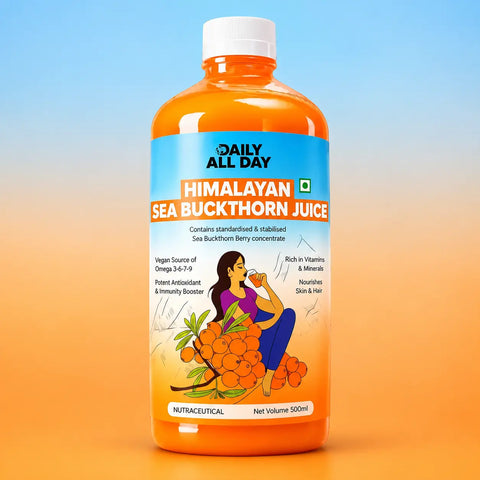
Daily All Day Sea Buckthorn Juice (500ml)
- Key Ingredient: Sea Buckthorn (raw pulp) packed with Omega 3 6 9, Vitamin C, E, rare Omega 7, and potent antioxidants
-
Health Benefits:
- Boosts skin glow and hydration, helps reverse wrinkles
- Strengthens immunity with antioxidants
- Supports heart health and natural metabolism
- Relieves gut discomfort (IBS) and helps clear breakouts (acne)
- How to Use: Mix 3 spoons in water, twice a day after meals
Want a deep dive into how ingredients improve health? Check Researched ingredients & benefits.
Frequently Asked Questions
-
What is sodium chloride?
It’s just table salt. Too much can raise your blood pressure and put a strain on your heart and kidneys. -
What’s the best way to lower my sodium intake?
Eat fewer processed and restaurant foods, choose low sodium options, and cook fresh meals at home. Always check nutrition labels! -
What are some potassium-rich foods?
Bananas, oranges, sweet potatoes, spinach, avocados, and beans are all great choices. They help balance sodium's negative effects. -
Is taking potassium supplements enough?
It’s always best to get nutrients from whole foods. Supplements can help if you have a deficiency—ask your doctor first. -
How quickly does my body recover if I cut down on sodium?
Your blood pressure can improve within weeks if you lower your salt intake and add more potassium. Consistency is key!
Related articles for you:
- Best anti-inflammatory foods for joint health
- Understanding digestive & metabolic disorders
- Snack culture & blood sugar in America
Maintaining the right sodium-potassium balance is truly important for your health—especially your heart and blood pressure. Sadly, most Americans eat much more sodium (salt) than they should, largely because of frozen meals, restaurant dishes, and ultra-processed foods. On top of that, these foods are often low in potassium, which is the mineral that helps your body get rid of extra sodium and keeps your blood pressure in check.
Switching to more home-cooked meals, reading food labels, and adding potassium-rich foods like fruits, veggies, and whole grains can do wonders for your well-being. If you're struggling to eat a varied, balanced diet, natural supplements like Daily All Day Total Wellness Omega 3-6-9 or Sea Buckthorn Juice can also help support your overall health. Remember, even small changes can make a big difference in how you feel every day. Being mindful of your sodium and potassium intake—and making simple swaps—means you are taking control of your heart and whole-body wellness.