Soda with Meals: How Sugary Drinks Became Part of American Food Culture
Share

Table of Contents
- The Sweet Story: Soda at the Dinner Table
- Why Do Americans Drink Soda with Meals?
- History: How Did American Food Get So Sweet?
- Soda and Health: What Does the Science Say?
- Ingredients Deep Dive: What’s Really in Your Soda?
- Breaking the Cycle: Better Habits and Healthier Choices
- How Daily All Day Products Can Help
- Quora QnA: What’s Behind America’s Sweet Tooth?
- Frequently Asked Questions
The Sweet Story: Soda at the Dinner Table
Imagine a family dinner in 1980s America—kids laughing, Dad passing around pitcher of ice-cold soda pop, and everyone reaching for another glass. Soda with meals is now so normal in the USA, it’s easy to forget it wasn’t always this way. But today, brands from classic cola to trending prebiotic soda and sparkling waters dominate meal times and social events.
The connection between soda pop and meals is part of a bigger story about sugar in American food. People now search for things like "kpop demon hunters soda pop lyrics" or "stillers soda" online, showing just how much soda culture reaches into music, fun, and everyday moments.
Why Do Americans Drink Soda with Meals?
- Sweetness satisfies: Most people love a sweet taste, and soda delivers instant pleasure.
- Easy to buy, easy to drink: Soda is available everywhere—restaurants, schools, or at home.
- Clever Advertising: Soft drink companies spent decades linking soda to fun, family, and happiness.
- Affordable treat: Soda was once a special treat, but now it’s cheap and bought in bulk.
Research shows that sugar-sweetened beverages (SSBs) like soda are a top source of added sugars and extra calories in the American diet. Studies confirm their direct link to rising obesity and health risks[1].
History: How Did American Food Get So Sweet?
Have you ever wondered why food in America, including things like Salisbury steak or ambrosia salad, seems sweeter than food in other countries? The answer is complex, but here’s a simple overview:
- Industrial Food Revolution: Factories and big food companies wanted people to crave their products. Sugar is addictive and makes people want more.
- Falling prices: Sugar became cheaper and easy to add to everything—from bread to sauces to soda pop.
- Changing tastes: As Americans got more used to sweet flavors, companies added more sugar to please customers and stand out on supermarket shelves.
- Marketing to Kids: Sugar-filled cereals, snacks, and sodas became a part of childhood and special family moments.
For more, check these Quora discussions: How did American food become so much sweeter? and How did sugar become part of the American diet?
Soda and Health: What Does the Science Say?
- Obesity and Diabetes: The more soda you drink, the higher your risk for obesity and type 2 diabetes[1].
- Dental Decay: Sugar in sodas destroys dental enamel, leading to tooth decay especially in children[2][5].
- Heart Disease: One study found that people exposed to less sugar early in life had a much lower risk of heart failure—even as adults[3].
- Gut and Immune Health: Too much added sugar can hurt the helpful bacteria in your gut, leading to inflammation and chronic problems[4].
The World Health Organization advises children and adults to limit sugar to under 10% of daily calories—a limit most Americans exceed[6].
Ingredients Deep Dive: What’s Really in Your Soda?
Let’s break down the most common ingredients found in soda, prebiotic soda, and their trendy cousins like oli pop and poppi soda:
- Carbonated Water: This is just normal water with bubbles of carbon dioxide. It's safe, but doesn’t offset the sugar impact.
- High Fructose Corn Syrup/Sugar: The main sweetener in most sodas, and the main driver of weight gain and tooth decay.
- Artificial Sweeteners: Found in diet sodas; may still disrupt gut health according to some studies[4].
- Caffeine: Often added for an energy boost—but can make you jittery and mess with your sleep.
- Phosphoric Acid: Gives tangy taste, but can weaken bones and teeth over time.
- Natural and Artificial Flavors: Added for taste, but rarely add nutritional value.
Some newer brands like prebiotic soda and poppi soda add fiber and plant extracts to soda, trying to make it healthier. But most still contain sweeteners or juices that add up to high sugar content.
Breaking the Cycle: Better Habits and Healthier Choices
If soda has always been a part of family traditions, how can you cut back without feeling left out?
- Choose sparkling waters or water with lemon for fizz without sugar.
- Read labels—even "natural" sodas or kombuchas can be high in sugar.
- Start with small swaps: drink soda less often, and keep it out of the house.
- Make healthy drinks part of your routine: iced tea, homemade lemonade with little sugar, or plain coconut water.
- Support your metabolism and liver health naturally.
How Daily All Day Products Can Help
1. Gluco Wise (90 Capsules)
- Key Ingredients: Berberis Aristata (Daruhaldi), Ceylon Cinnamon, Milk Thistle
-
Benefits:
- Supports blood sugar balance and healthy cholesterol
- Improves liver detoxification and fatty liver management
- Rich in antioxidants to reduce oxidative stress
- All plant-based, FSSAI approved, and safe
2. Slim Support (90 Capsules)
- Key Ingredients: Apple Cider Vinegar, Garcinia Cambogia, Methi (Fenugreek), Green Coffee Beans, Green Tea
-
Benefits:
- Burns fat, suppresses appetite
- Boosts metabolism and improves digestion
- Supports healthy weight loss and hunger control
- Holistic blend of Ayurvedic and modern ingredients
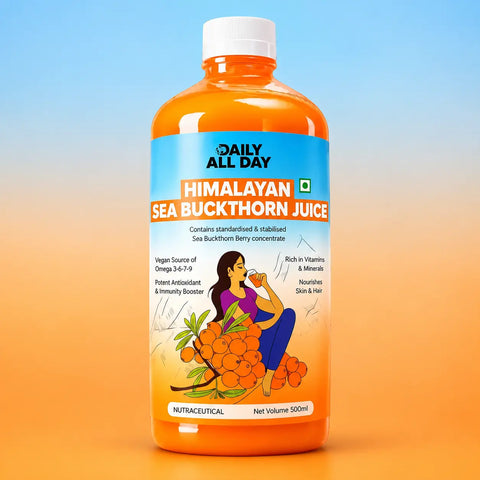
3. Sea Buckthorn Juice (500ml)
- Key Ingredients: Sea Buckthorn pulp – packed with Omega 3, 6, 9, 7, Vitamin C and E
-
Benefits:
- Provides glowing skin, hair shine, and hydration
- Boosts immunity and heart health
- Supports digestion and metabolism
Quora QnA: What’s Behind America’s Sweet Tooth?
Based on common questions asked on Quora, here’s a quick look at why America is so hooked on soda and sugary foods:
-
How did American food become so sweet?
- Sugar is addictive and boosts sales, so manufacturers add it everywhere.
- Industrialization made sugar cheap and common.
-
How did sugar become part of the American diet?
- Dropping sugar prices, fierce competition, and customer demand made sugar popular.
- Sugar tastes good, fat tastes good, and the combination is extra satisfying.
-
Why is American style food so sugary?
- The American taste has adapted to prefer sweet foods, requiring even more sugar.
-
Has sugar always been in nearly all foods?
- Cheap, low-quality cooking in factories and cafeterias made sugar and salt common.
-
Why is there so much sugar in American drinks?
- Manufacturers add more sugar to boost sales – Americans are used to eating and drinking sweet.
Frequently Asked Questions
-
What are some healthy alternatives to soda pop for drinking with meals?
- Try plain or flavored sparkling waters, unsweetened iced tea, or water with lemon or cucumber slices. For a touch of sweetness, prepare homemade drinks with a small amount of natural honey, but keep sugar content low.
- Does cutting out soda really lower my health risks?
-
Are "diet sodas" or those with artificial sweeteners healthy?
- While they may have less sugar or calories, some artificial sweeteners can affect your gut health and make you crave more sweets. The healthiest drink choices are water, herbal tea, or sparkling water without added sugar or artificial flavors[4].
-
Can supplements help manage health risks of sugary foods and drinks?
- Supplements like Daily All Day Gluco Wise provide herbs and plant ingredients proven to support healthy blood sugar, cholesterol, and liver function, especially when combined with balanced eating and exercise.
-
How can I help my family reduce sugar intake—even if they love soda?
- Make gradual changes, such as “soda only on weekends,” and offer tasty alternatives like unsweetened tea or fruit water. Teach kids why too much sugar is risky, and involve them in choosing healthy snacks and drinks.
Want more about American food habits? Read our articles on school cafeteria nutrition, healthy full-fat breakfasts, or managing fatty liver with natural support.
Sugar-loaded soda pop and sugary drinks have become a symbol of American food culture, but growing research underlines their serious health impact. Over time, supermarket aisles filled with brands like poppi soda and sparkling waters have also hidden the amount of sugar we consume in daily life. For a balanced lifestyle and improved wellness, paying attention to sugar intake is essential. Daily All Day products like Gluco Wise and Slim Support can help support metabolic health, blood sugar management, and a healthier relationship with food. By understanding what goes into our favorite fizzy drinks and taking small steps toward mindful eating, we can make choices that benefit our families now and for generations ahead. Building healthy habits means more than just swapping soda for prebiotic soda—it's about reshaping our shared food culture.