Scrapple Breakfast: A Regional American Morning Staple with Deep Roots
Share

Scrapple Breakfast: A Regional American Morning Staple with Deep Roots
- A Morning in Pennsylvania: The Scrapple Tradition
- The Deep Roots and Cultural Journey of Scrapple
- Ingredients Deep Dive: What is Scrapple Made Of?
- Regional Variations and Scrappleland
- Apple Scrapple Festival and Innovations
- Modern Adaptations: From Turkey Scrapple to Plant-Based Twists
- Scrapple & Health: What Should You Know?
- What Quora Users Say: Scrapple Q&A
- Daily All Day: Products to Complement Your Scrapple Breakfast
- Frequently Asked Questions
A Morning in Pennsylvania: The Scrapple Tradition
In the cool, misty mornings of southeast Pennsylvania, you might wake up to the sizzle of something special frying on the stove. Locals call it scrapple, a breakfast food found in homes, diners, and busy markets from Delaware to Philadelphia. It isn’t just another breakfast meat—it’s a symbol of tradition, resourcefulness, and community pride. But what is scrapple, and why has it remained a staple for centuries?
The Deep Roots and Cultural Journey of Scrapple
Scrapple's story begins with the Pennsylvania Dutch, German immigrants who settled in America’s Mid-Atlantic region as far back as the 17th century. They brought with them the practical dish of "panhas," using every part of the pig and blending it with local cornmeal and spices. In these rural communities, nothing was wasted—making scrapple a clear example of their frugal and resourceful ways. Over time, this hearty, flavorful loaf made its way from the farm to the breakfast table, becoming much more than just a way to use leftovers. Scrapple turned into a beloved cultural icon, especially across Pennsylvania, Delaware, Maryland, New Jersey, and even parts of Virginia.
Ingredients Deep Dive: What is Scrapple Made Of?
The magic of scrapple lies in its simple yet clever combination of ingredients. Here’s a closer look at what goes into a classic scrapple loaf:
- Pork Scraps: Head meat, liver, and other offal simmered gently to create a rich, meaty stock. Using liver is key for that deep flavor and nutrition.
- Cornmeal: This acts as the main binder. Added to the simmering broth to give scrapple its unique body and soft interior.
- Spices: Sage, thyme, and marjoram are the most traditional. These give scrapple its classic, homey aroma and taste.
- Flour (sometimes): For an even thicker loaf and firm slices.
- Salt and Pepper: For seasoning and balance.
The result is a thick, porridge-like mixture poured into loaf pans, cooled, and sliced before pan-frying. When fried, scrapple gets its signature crispy edges and soft middle—a texture contrast that many find irresistible.
For another deep dive into traditional American dishes that use every part of the animal, check out our guide on liver and onions!
Regional Variations and Scrappleland
"Scrappleland" is a fun nickname for the region stretching from southeast Pennsylvania down through Delaware and into southern New Jersey and Maryland. In these areas, scrapple is as common as eggs or bacon on breakfast menus. But each place does it a little differently:
- Pennsylvania: The heart of scrapple country—lots of pork, strong seasoning.
- Delaware: Scrapple often served thick and crispy with eggs and pancakes. The state hosts the famous Apple Scrapple Festival.
- New Jersey & Maryland: Lighter seasoning, sometimes with a slight sweetness or different spice blends.
Did you know there’s even a difference between scrapple and its southern cousin, liver mush? While similar, liver mush usually contains more liver and sometimes rice instead of cornmeal.
Apple Scrapple Festival and Innovations
Bridgeville, Delaware is home to the Apple Scrapple Festival, where people compete in scrapple chunkin', eat scrapple-themed foods, and celebrate their region’s favorite breakfast. There are also contests (like a recent scrapple sculpture contest) that showcase the pride and creativity surrounding this humble dish.
More recently, artisan producers and home cooks have experimented with unique spins on scrapple. From adding apples for a sweet crunch (sometimes called "apple scrapple") to trying turkey scrapple for a lighter flavor, the culinary scene continues to innovate while respecting tradition.
Modern Adaptations: From Turkey Scrapple to Plant-Based Twists
As eating habits change, the scrapple community adapts:
- Turkey Scrapple: Swaps pork for turkey, popular for its lighter taste. Often featured in stores like Food Lion.
- Vegan or Vegetarian Scrapple: Made from legumes, mushrooms, or plant-based protein, with the same spices and cornmeal for that familiar taste and texture.
- Gluten-Free Scrapple: Using only cornmeal (no flour).
But no matter how it’s prepared, scrapple lovers say the best way to enjoy it is crispy on the edges and tender inside!
Scrapple & Health: What Should You Know?
Scrapple, as a food made from various cuts of pork including liver, naturally contains B vitamins like B6, which support brain and nerve health. Studies highlight that vitamin B6 plays a role in maintaining wellness and may even be beneficial in managing certain health conditions. For example, a high intake of B6 before certain diseases can help lower mortality risk[1], and B6 also supports blood health and metabolism[2]. Beyond that, scrapple’s high protein and iron content can be valuable for active individuals and those looking to support muscle recovery. However, as a fried and savory food, scrapple should be enjoyed in moderation as part of a balanced diet.
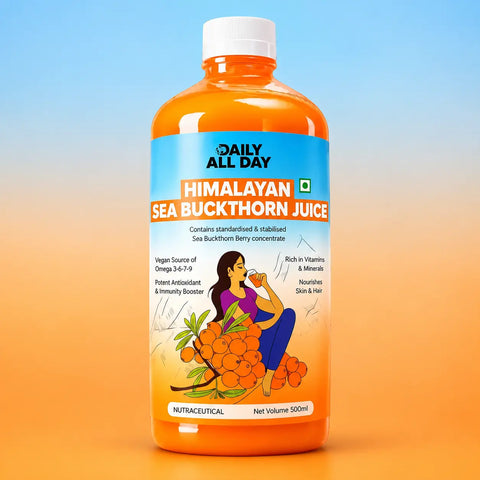
If you’re looking for modern, natural ways to boost your skin health, metabolism, or digestion along with traditional foods, explore enhancements like Daily All Day Sea Buckthorn Juice (for skin and heart health), Daily All Day Slim Support (for weight loss and metabolism), and Triphala 1:2:3 (for gut comfort).
Want to know more about nutrient-rich eating to support heart and full-body health? Check our insights on heart-healthy daily routines!
What Quora Users Say: Scrapple Q&A
- Scrapple is famous in southeast Pennsylvania and southern New Jersey. It's described as spicy, made from pork scraps, and fried until crispy.
- In Amish communities, scrapple is described as a bread with crumbled sausage, often baked and pan-cooked for breakfast.
- Scrapple is called a Pennsylvania Dutch classic, made with pork trim, and similar to a pâté when finished.
- It uses almost every part of the pig, transforming scraps into a tasty breakfast food that surprises newcomers.
- Many agree scrapple's appeal is its flavorful use of leftover pork, rooted in German thriftiness, and most first-timers find it surprisingly tasty.
Daily All Day: Products to Complement Your Scrapple Breakfast
- Sea Buckthorn Juice: Rich in omega-7, vitamin C, and antioxidants for glowing skin and immune health. Mix before or after meals for a vitamin boost.
- Slim Support Capsules: Aids digestion, burns fat, and controls appetite with natural ingredients like apple cider vinegar and green coffee beans. Take before your scrapple meal for best results.
- Triphala 1:2:3 Tablets: Traditional Indian blend supporting gut health and detox—perfect for balancing hearty meals like scrapple.
Care for your digestive system after those big scrapple breakfasts. Learn more in our guide on probiotics and gut health.
Frequently Asked Questions
-
What is scrapple?
Scrapple is a breakfast dish made from pork scraps (like head meat and liver), spices, and cornmeal, shaped into a loaf. It’s sliced and pan-fried until crispy on the outside and soft inside. -
How do you eat scrapple?
Slice the loaf, pan-fry in a little oil until crisp, and serve with eggs, toast, water ice, or even pancakes. Some people enjoy it with a drizzle of syrup or apple butter for contrast. -
Liver mush vs scrapple – what’s the difference?
Liver mush uses more liver, sometimes with rice instead of cornmeal, and is usually spicier and found farther south than traditional scrapple. -
Is scrapple healthy?
It’s rich in protein and B vitamins (like B6 for nerve and metabolic health[3]). However, it is usually fried, so it’s best in moderation as part of a balanced diet. -
Are there plant-based or turkey versions of scrapple?
Yes! Both vegan scrapple (using beans and mushrooms) and turkey scrapple exist for those looking for lighter or meatless alternatives. They use the same traditional spices and cooking technique. -
What makes scrapple a regional staple?
Its deep roots in German immigrant culture, its adaptability, and its constant presence at community events, like the Apple Scrapple Festival, make it a true Mid-Atlantic classic—now inspiring food lovers across the country.
Scrapple stands as one of America's most unique and meaningful breakfast foods. Rooted deeply in the Pennsylvania Dutch tradition, this dish highlights the creativity and resourcefulness of early settlers. Its main ingredient—pork scraps—transformed into a beloved regional favorite by combining with cornmeal and fragrant herbs. Scrapple isn’t just a classic, but a symbol of using every bit of what’s available, making it as nutritious as it is sustainable. The rise of festivals like the Apple Scrapple Festival and innovations such as turkey scrapple and even plant-based versions keep this tradition alive for new generations. Alongside such wholesome foods, incorporating nutrient-rich choices and products like Daily All Day Sea Buckthorn Juice and digestive aids like Daily All Day Triphala 1:2:3 can help modern families achieve balanced nutrition and gut health. Exploring traditional foods like scrapple alongside modern nutrition solutions creates a delicious path toward wellbeing, culture, and community connection.