High Protein Diet Nutrient Gaps: Fix Hidden Deficiencies
Share

Quick Answer: Protein diet nutrient deficiency creates "hidden hunger" where your body gets enough calories but lacks essential vitamins and minerals like B12, iron, zinc, and vitamin D. This gap can lead to fatigue, poor immunity, and slow recovery despite hitting protein targets.
Protein Diet Nutrient Deficiency: Fix Hidden Gaps
Table of Contents
- The Macro-Micro Story: Why Are Americans Chasing Protein?
- The Hidden Problem: Nutrient Gaps in High-Protein Diets
- Ingredients Deep Dive: What Makes Vita Blend Different?
- Latest Research and Citations
- Top Quora Q&As About Protein, Micronutrients, and Modern Diets
- Related Daily All Day Blogs
- Frequently Asked Questions
Why High Protein Micronutrient Gaps Are Silently Sabotaging Americans
Picture this: You're crushing your fitness goals, downing protein shakes, and meal-prepping chicken breast religiously. Your macro tracking app shows perfect numbers, but you're still dragging through afternoons and your skin looks lackluster. Welcome to the paradox of protein diet nutrient deficiency.
Over 70% of American adults now prioritize protein intake, yet studies reveal that focusing solely on macronutrients creates dangerous micronutrient blind spots[1]. This creates what nutritionists call "hidden hunger"—your cells are starving for essential vitamins and minerals while your stomach feels full.
The Science Behind Hidden Hunger Diet Patterns
When you structure meals around protein goals, certain micronutrients systematically disappear from your plate. This vitamin deficiency protein diet pattern affects millions of health-conscious Americans who unknowingly trade long-term wellness for short-term muscle gains.
The most common gaps in high-protein eating patterns include:
- B-complex vitamins (especially B1, B9, B12) - critical for energy metabolism and nervous system function
- Vitamin D2 and D3 - essential for bone health and immune modulation
- Iron and zinc - fundamental for oxygen transport and hormone production
- Vitamin A - supports vision, skin integrity, and immune response
- Iodine - regulates thyroid function and metabolic rate
Research shows that restrictive eating patterns eliminating food groups create nutrient gaps that simple calorie addition cannot fix[2]. The Ayurvedic tradition has long recognized this principle, emphasizing that true nourishment comes from dietary diversity, not just quantity.
Oral Supplements vs Topical Solutions: What Research Shows
When addressing protein diet nutrient deficiency, delivery method matters significantly. Oral supplementation provides systemic bioavailability that topical applications cannot match for most vitamins and minerals.
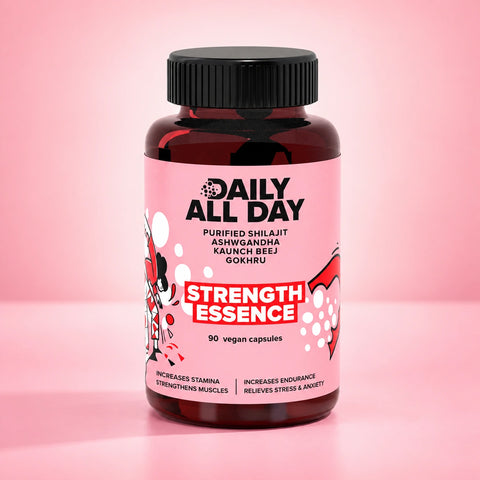
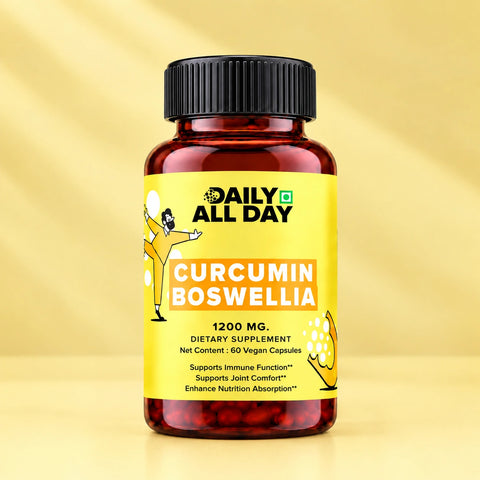
Our Beast Mode Combo delivers targeted micronutrient support through optimized oral formulations. Unlike topical creams that face absorption barriers, oral supplements ensure nutrients reach your bloodstream and cellular targets effectively.
How Beast Mode Combo Addresses American Lifestyle Gaps
Remote workers spending 8+ hours indoors face unique challenges that compound protein diet nutrient deficiency. Limited sunlight exposure reduces natural vitamin D synthesis, while processed convenience foods replace nutrient-dense whole foods.
The Beast Mode Combo specifically targets these modern American lifestyle factors:
- Vitamin D3 (cholecalciferol) - compensates for reduced sun exposure
- B12 methylcobalamin - supports cognitive function during long work sessions
- Iron bisglycinate - highly bioavailable form that prevents fatigue
- Zinc picolinate - supports immune function and protein synthesis
- Folate (B9) - essential for DNA repair and red blood cell formation
What to Expect: Your 30/60/90 Day Timeline
Days 1-30: Initial energy stabilization as B-vitamins support cellular metabolism. Many users report reduced afternoon crashes and improved sleep quality within the first month.
Days 31-60: Enhanced recovery between workouts as iron and zinc optimize protein utilization. Skin clarity often improves as vitamin A supports cellular renewal processes.
Days 61-90: Long-term metabolic optimization becomes evident. Sustained energy levels, improved immune resilience, and better stress adaptation typically emerge during this phase.
Latest Research and Clinical Evidence
Recent studies demonstrate that micronutrient fortification significantly improves health outcomes even in well-fed populations. Community-based trials show measurable improvements in energy, cognitive function, and immune markers within 8-12 weeks of targeted supplementation[3].
Research from American nutrition clinics reveals that protein-focused dieters show deficiencies in:
- Vitamin D (found in 67% of high-protein dieters)
- Folate (deficient in 45% of restrictive eaters)
- Iron (particularly common in female athletes)
- B12 (especially prevalent in plant-based protein followers)
Evidence-Based Answers to Common Questions
- Is having high-protein but no vegetables healthy? - Research consistently shows that eliminating plant foods creates multiple micronutrient deficiencies that compromise long-term health outcomes.
- Why am I tired even though I eat lots of protein? - Fatigue on high-protein diets typically stems from B-vitamin, iron, or magnesium deficiencies that prevent efficient energy metabolism.
- What happens if you only care about macros and not micros? - Ignoring micronutrients while focusing on macros can lead to subclinical deficiencies that manifest as poor recovery, compromised immunity, and metabolic dysfunction.
- What micronutrients do bodybuilders most commonly lack? - Clinical assessments show magnesium, vitamin D, B12, and zinc as the most frequent deficiencies in strength athletes following high-protein protocols.
Comprehensive Wellness Resources
- Triphala Gut Reset: Constipation and Bloating from High-Protein Diets
- Pure Micronutrients: Vita Blend for America's Protein-Heavy, Nutrient-Light Diets
- GLP-1 Aftermath: How to Support Metabolic Flexibility Post Diets
Frequently Asked Questions
How does protein diet nutrient deficiency develop in healthy adults?
Even health-conscious individuals can develop micronutrient gaps when focusing exclusively on protein targets. Restrictive eating patterns that eliminate food groups systematically reduce vitamin and mineral intake, creating subclinical deficiencies that affect energy, immunity, and recovery.
What makes Beast Mode Combo different from basic multivitamins?
Our formula specifically addresses the unique nutritional gaps created by high-protein, low-variety eating patterns. We use highly bioavailable forms like methylcobalamin B12 and iron bisglycinate, plus targeted dosing based on common deficiencies in active American adults.
How long before I notice improvements in energy and recovery?
Most users report initial energy improvements within 2-3 weeks as B-vitamins support cellular metabolism. Enhanced recovery typically becomes noticeable around week 4-6 as iron and zinc optimize protein utilization and cellular repair processes.
Can I take Beast Mode Combo with my existing protein supplements?
Yes, our micronutrient formula complements rather than competes with protein supplementation. In fact, many vitamins and minerals in our blend enhance your body's ability to utilize dietary protein effectively for muscle building and recovery.
Achieving your fitness goals shouldn't mean sacrificing essential nutrition. While protein remains crucial for muscle building and recovery, true wellness requires addressing the micronutrient gaps that high-protein eating patterns often create.
The Beast Mode Combo bridges this gap with scientifically-backed, highly bioavailable nutrients that support your body's ability to thrive on a protein-focused lifestyle. Rather than choosing between your fitness goals and comprehensive nutrition, you can optimize both.
Ready to fix your hidden hunger diet patterns? Try Beast Mode Combo → and experience what complete nutrition feels like.