Strength Training for Women Over 30: Protein + Creatine Guide
Share

Quick Answer: Strength training for women over 30 requires 1.2-1.6g protein per kg body weight daily plus 3-5g creatine monohydrate to support muscle synthesis and energy production. Combined with adaptogenic herbs like ashwagandha, this approach optimizes strength gains while supporting hormonal balance during metabolic changes.
Strength Training for Women Over 30: Protein + Creatine Guide
Your 30s mark a pivotal shift in how your body builds and maintains muscle. After age 30, women lose 3-8% of muscle mass per decade, while estrogen fluctuations impact protein synthesis and recovery. [1] This makes strategic nutrition and supplementation essential for effective strength training for women over 30.
The good news? Research shows that combining adequate protein intake with creatine supplementation can significantly enhance strength gains and muscle preservation, even as hormones shift. Ancient Ayurvedic wisdom supports this with adaptogenic herbs that help balance the stress response during intense training periods.
Why Metabolism Changes Hit American Women in Their 30s
Modern American lifestyles compound the natural metabolic slowdown that begins around age 30. Remote work means 86% of working women spend their day sedentary, while chronic stress elevates cortisol levels that directly interfere with muscle protein synthesis. [2]
This metabolic shift creates a perfect storm: declining muscle mass, slower recovery, and increased fat storage. However, strength training for women over 30, when properly supported with nutrition, can reverse many of these changes by boosting metabolic rate by up to 15% within 12 weeks of consistent training.
Protein Needs Women 30s: The Science-Backed Numbers
Women over 30 require significantly more protein than the standard RDA suggests. Research indicates optimal protein intake for active women ranges from 1.2-1.6g per kilogram of body weight daily, with higher amounts (up to 2.0g/kg) beneficial during periods of intense training or caloric restriction.
Quality matters as much as quantity. Complete proteins containing all essential amino acids—particularly leucine, which triggers muscle protein synthesis—should comprise at least 60% of daily protein intake. This translates to roughly 25-30g of high-quality protein per meal for a 130-pound woman engaging in regular strength training.
Timing also influences results. Consuming 20-25g of protein within 30 minutes post-workout maximizes muscle protein synthesis, while spreading protein intake across 3-4 meals maintains positive nitrogen balance throughout the day.
Creatine for Women: Breaking Down the Myths
Despite misconceptions, creatine for women offers remarkable benefits beyond muscle building. Women naturally have 70-80% lower creatine stores than men, making supplementation particularly valuable. [3]
Clinical studies show 3-5g daily creatine monohydrate increases strength by 5-15% within 2-6 weeks, while supporting cognitive function and reducing exercise-induced muscle damage. For women over 30, creatine also helps maintain power output during high-intensity training sessions, crucial for stimulating muscle growth as hormone levels fluctuate.
The "bloating" concern is largely unfounded—any initial water retention occurs within muscle cells, creating a fuller, more toned appearance rather than puffiness.
Metabolism Support Supplements: The Ayurvedic Advantage
While protein and creatine form the foundation, adaptogenic herbs provide additional support for strength training for women over 30. Ashwagandha, a cornerstone of Ayurvedic medicine for over 3,000 years, helps regulate cortisol levels that can interfere with muscle building and recovery.
Research demonstrates ashwagandha supplementation (300-600mg daily) reduces cortisol levels by up to 30% while increasing muscle mass and strength gains by 15-17% compared to placebo groups. Shilajeet provides fulvic acid and trace minerals that support cellular energy production, while Kaunch Beej (Mucuna pruriens) naturally supports growth hormone production.
This synergistic approach addresses the root causes of metabolic decline rather than simply masking symptoms, aligning with both ancient wisdom and modern sports nutrition science.
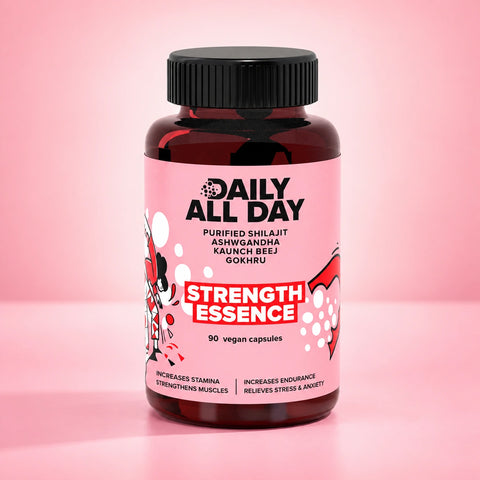
How to Use Strength Essence- Energy and Stamina Booster for Best Results
Integrating adaptogenic support into your strength training routine maximizes both performance and recovery. Strength Essence- Energy and Stamina Booster combines standardized extracts of ashwagandha, shilajeet, and kaunch beej in optimal ratios for busy American lifestyles.
Take one serving (2 capsules) with breakfast on training days, or split the dose—one capsule with breakfast and one pre-workout. The adaptogenic compounds work best with consistent daily use rather than sporadic supplementation. For remote workers managing stress alongside training schedules, taking with your morning routine helps establish cortisol balance before daily stressors accumulate.
Combine with 20-25g protein within 30 minutes post-workout and maintain daily creatine supplementation (3-5g) for synergistic effects on strength, recovery, and body composition.
What to Expect: 30, 60, and 90 Days
Days 1-30: Initial strength gains from improved neuromuscular coordination and creatine loading. Many women report better workout recovery and more stable energy levels. Cortisol regulation from adaptogens begins, though changes may be subtle.
Days 30-60: Noticeable strength increases (10-15% improvement in major lifts), better sleep quality, and enhanced stress resilience. Muscle definition becomes more apparent as protein synthesis optimizes and water retention within muscles improves tone.
Days 60-90: Significant body composition changes become visible. Increased lean muscle mass supports higher metabolic rate, while improved strength allows for progressive overload in training. Hormonal balance improvements contribute to better mood stability and sustained energy throughout the day.
Remember, individual results vary based on training consistency, nutrition quality, sleep patterns, and stress management. The combination of proper strength training for women over 30 with targeted supplementation creates the foundation for long-term success.
Frequently Asked Questions
How much protein do women over 30 need for strength training?
Active women over 30 require 1.2-1.6g protein per kilogram of body weight daily, with 20-25g consumed within 30 minutes post-workout for optimal muscle protein synthesis and recovery.
Is creatine safe for women over 30?
Yes, creatine monohydrate (3-5g daily) is extensively researched and safe for women. It supports strength gains, cognitive function, and exercise recovery without causing unwanted water retention or bloating when used properly.
Can adaptogens help with strength training recovery?
Research shows ashwagandha reduces cortisol levels by up to 30% while supporting muscle growth and recovery. Combined with shilajeet and kaunch beej, these adaptogens optimize hormonal balance for better training results.
How long before I see results from strength training over 30?
Initial strength gains appear within 2-4 weeks from neuromuscular adaptations. Visible muscle changes typically occur around 6-8 weeks with consistent training and proper nutrition, including adequate protein and creatine supplementation.
Ready to optimize your strength training journey? Try Strength Essence- Energy and Stamina Booster →